Quiet the Noise That Travels Through Your Walls
Soundproofing Insulation in Great Falls for multi-family units and home offices needing reduced noise transfer
Mogli Insulation installs soundproofing insulation for homeowners and property managers in Great Falls who need to control noise between rooms, floors, or shared walls in residential and commercial buildings. You recognize the need for this service when conversations from adjacent rooms are clearly audible through walls, when footsteps from upstairs disturb sleep or work, or when home offices and bedrooms lack the acoustic privacy required for focused activity. This service combines specialized insulation materials with careful installation techniques to reduce sound transmission through building assemblies.
Soundproofing insulation typically uses dense batt or blown-in cellulose installed in wall cavities, floor-ceiling assemblies, and shared partition walls. The material absorbs sound vibrations before they pass through framing and drywall, reducing both airborne noise such as voices and music and impact noise such as footfalls and door slams. In Great Falls, where multi-family housing and home-based businesses are common, soundproofing improves livability in attached units and creates quieter indoor environments in busy households. The insulation is often combined with resilient channels, double drywall layers, or acoustic caulking to maximize performance.
If noise is disrupting sleep, work, or privacy in your home or building and you want a solution that fits within standard wall and floor assemblies, reach out to discuss soundproofing options for your space in Great Falls.
How Soundproofing Insulation Is Installed and What It Changes
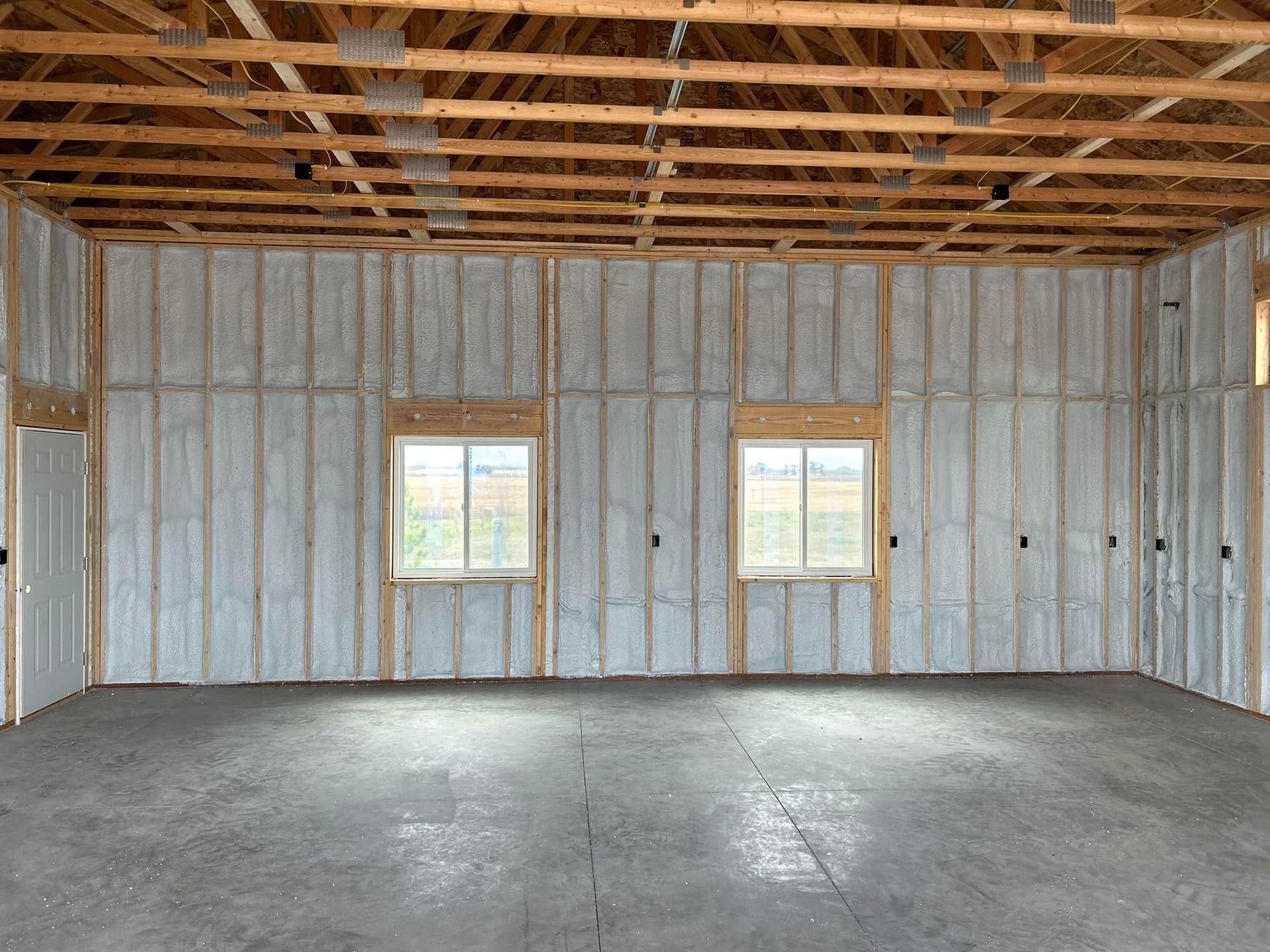
Your installation begins with identifying the paths where noise travels most easily, which typically include shared walls between bedrooms, floors above living spaces, and walls separating home offices from common areas. The crew installs dense insulation material between studs and joists, filling cavities completely to eliminate air gaps that allow sound to pass. In floor-ceiling assemblies, insulation is combined with techniques such as staggered framing or decoupling methods that interrupt vibration transfer through structural members.
After soundproofing insulation is in place and drywall is reinstalled, you will notice that voices from adjacent rooms become muffled or inaudible, television and music volume no longer disturbs other areas, and footsteps overhead are less intrusive. Mogli Insulation ensures that outlets, switches, and penetrations are sealed with acoustic caulk so that sound cannot bypass the insulation through small gaps. The result is a quieter interior environment that supports rest, concentration, and privacy in homes and workspaces across Great Falls.
Soundproofing insulation is most effective when combined with other acoustic treatments such as thicker drywall, resilient channel systems, or underlayment in floor assemblies. It does not eliminate all noise, especially low-frequency vibrations from heavy machinery or subwoofers, and it works best when installed during new construction or major remodels where wall and floor cavities are accessible. Retrofitting soundproofing into closed walls requires opening drywall, which adds labor and finishing costs to the project.
Common Questions About Soundproofing Insulation Methods
Homeowners and property managers in Great Falls often ask about material selection, installation techniques, and how soundproofing insulation compares to other noise control strategies for walls and floors.
What type of insulation works best for reducing noise between rooms?
Dense materials such as mineral wool or cellulose perform better than standard fiberglass batts because their higher mass and fiber structure absorb more sound energy before it passes through the wall assembly.
How much noise reduction can you expect from soundproofing insulation alone?
Insulation typically reduces sound transmission by five to ten decibels, which makes voices and music noticeably quieter but does not eliminate loud or impact noise without additional measures such as decoupling or mass-loaded vinyl.
Why is sealing air gaps important for soundproofing effectiveness?
Sound travels easily through air, so gaps around outlets, baseboards, and ceiling fixtures allow noise to bypass insulation, and acoustic caulk is used to seal these penetrations during installation in Great Falls projects.
When should you add soundproofing insulation to a floor-ceiling assembly?
You should add it when footsteps, furniture movement, or other impact noise from the floor above is disruptive, and it works best when combined with carpet padding, resilient underlayment, or staggered joist construction.
What is the difference between soundproofing insulation and thermal insulation in wall cavities?
Soundproofing insulation is denser and installed to absorb sound vibrations, while thermal insulation focuses on slowing heat transfer, though many materials serve both purposes when properly installed.
Mogli Insulation assesses your acoustic needs and recommends insulation materials and installation methods that fit your building layout and noise control goals in Great Falls and surrounding areas. If you are ready to reduce noise transfer and improve comfort in your home or commercial space, call to schedule a consultation and receive a detailed proposal based on the rooms and assemblies that need treatment.