Fill the Voids in Your Walls Quietly and Cleanly
Cellulose Insulation in Great Falls for attics and wall systems needing dense coverage in irregular framing
Mogli Insulation installs cellulose insulation for homeowners and builders in Great Falls who want material made primarily from recycled paper that fills gaps, reduces drafts, and provides sound control in walls and attics. You choose cellulose when you are working on a retrofit project where wall cavities are already enclosed, when you want a dense-packed application that minimizes air movement, or when environmental impact is a priority in your building decisions. This material works in both new construction and older homes where standard batts cannot reach every void or irregular framing space.
Cellulose is treated with fire retardants and blown into cavities using pneumatic equipment that delivers consistent density and coverage. In attics, it is applied loosely across joist bays to build up the required R-value. In walls, it is dense-packed through access holes to fill around wiring, plumbing, and cross-bracing without leaving voids. The material settles less than loose-fill fiberglass and provides better resistance to airflow, which improves thermal performance in Great Falls winters when cold air infiltration drives up heating costs. Cellulose also dampens sound transmission, making it a practical choice for multi-story homes and shared walls in duplexes or multi-family buildings.
If you are upgrading insulation in an older home or building new walls and want material that fills every gap and offers sound control, contact Mogli Insulation to discuss cellulose installation for your project in Great Falls.
What Happens During Cellulose Installation and What You Notice Afterward
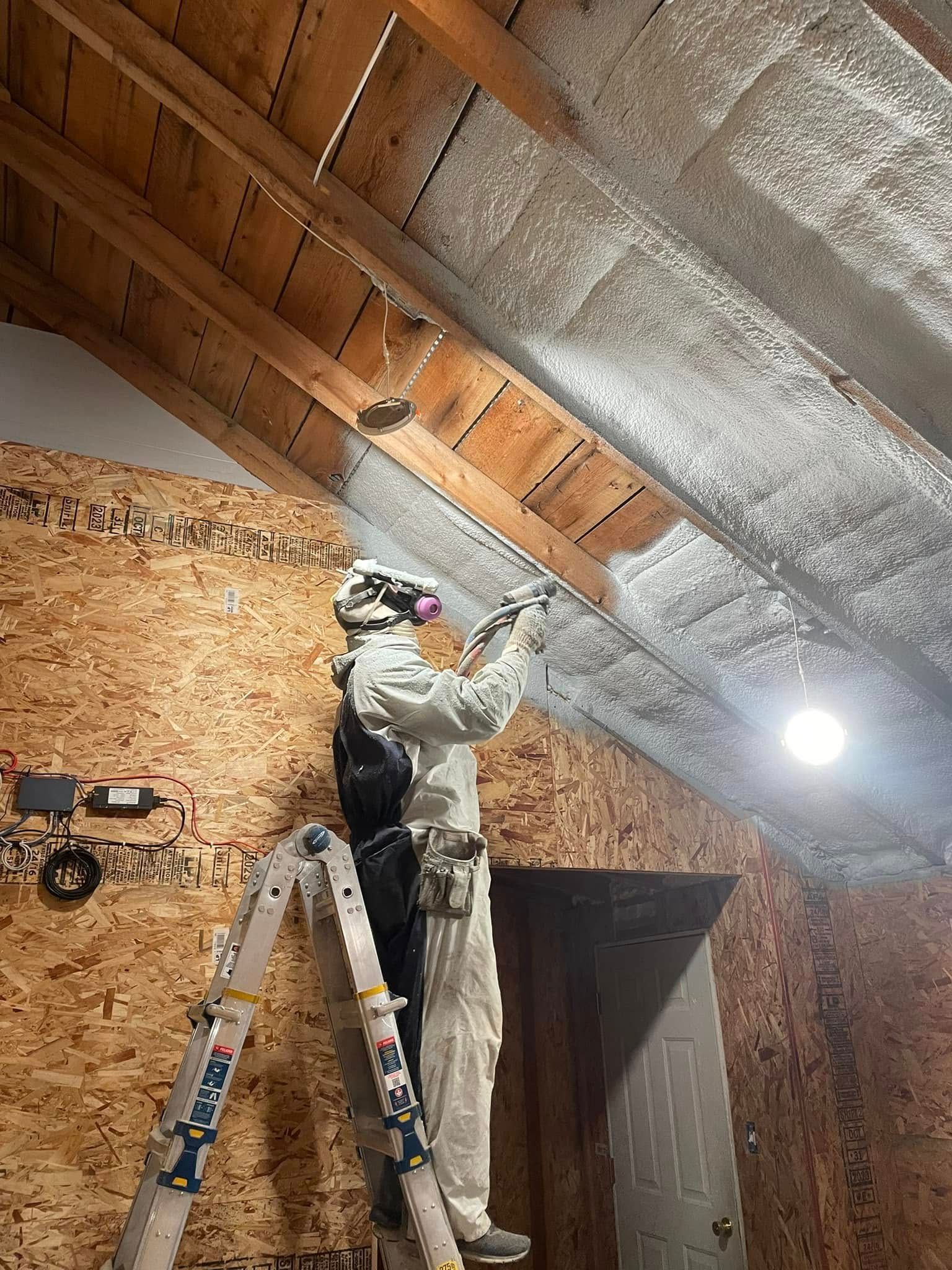
Your installation begins with preparing the work area by covering floors and furniture if working inside, or drilling access holes in siding or drywall if insulating closed wall cavities. The crew uses a blowing machine to feed cellulose through hoses into attic spaces or wall bays, adjusting air pressure and material flow to achieve the target density. In walls, a fill tube is inserted into each cavity, and insulation is added until resistance indicates the space is full. In attics, the material is spread evenly to the specified depth, with rulers or markers used to verify coverage.
After the cellulose is in place, you will notice that rooms feel quieter, temperature swings are less pronounced, and drafts around outlets and baseboards are reduced. Mogli Insulation verifies that ventilation paths remain clear in attics and that access holes in walls are sealed and finished to match the surrounding surface. The dense packing reduces sound transfer between floors and rooms, which is particularly noticeable in bedrooms and home offices where noise control improves focus and sleep quality.
Cellulose absorbs moisture more readily than fiberglass, so it is not recommended for applications where water leaks or high humidity are present. It requires professional equipment for dense-packing, and improper installation can lead to settling that reduces R-value over time. The material is not suitable for crawl spaces prone to flooding or for walls with active plumbing leaks that have not been repaired.
Questions About Cellulose Insulation and Its Application
Homeowners and contractors in Great Falls often ask about fire safety, moisture handling, and how cellulose compares to other blown-in insulation materials for retrofit and new construction projects.
What fire retardants are used in cellulose insulation?
Cellulose is treated with borates, which are mineral compounds that resist ignition and slow flame spread, and these treatments are tested to meet building code fire safety standards.
How does dense-packing cellulose in walls differ from loose-fill application in attics?
Dense-packing involves higher air pressure and tighter fill to prevent settling and air movement within wall cavities, while loose-fill in attics is applied at a lower density to achieve the required R-value with less material weight.
Why is cellulose often recommended for soundproofing between floors?
The material's density and fiber structure absorb sound vibrations more effectively than fiberglass, reducing footfall noise and airborne sound transmission in multi-story homes common in Great Falls neighborhoods.
When should you avoid using cellulose insulation in a retrofit project?
You should avoid cellulose in areas with ongoing moisture problems, unrepaired roof leaks, or crawl spaces subject to standing water, because the material can absorb moisture and lose insulating value or promote mold growth.
What R-value does cellulose provide per inch compared to other insulation types?
Cellulose typically delivers an R-value of about three point seven per inch, which is comparable to loose-fill fiberglass and higher than most batts at standard installation densities used in Great Falls applications.
Mogli Insulation helps property owners across Great Falls and surrounding areas select and install cellulose insulation that meets thermal and acoustic performance goals. If you are ready to schedule a consultation or have questions about material suitability for your attic, walls, or remodel, call to arrange a site evaluation and receive a cost estimate based on your project specifications and square footage.