Make Your Garage Usable Year-Round
Garage Insulation in Great Falls for attached garages and heated workshops losing conditioned air
Mogli Insulation installs garage insulation for homeowners in Great Falls and surrounding areas who use their garages as workshops, storage areas, or heated spaces that connect directly to their living areas. You are likely here because your garage feels uncomfortably cold in winter, your attached garage pulls heat from adjacent rooms, or you want to use the space for projects without running a space heater constantly. Garages in residential and rural properties are typically built with minimal or no insulation, and large door openings and shared walls make temperature control difficult without adding thermal protection.
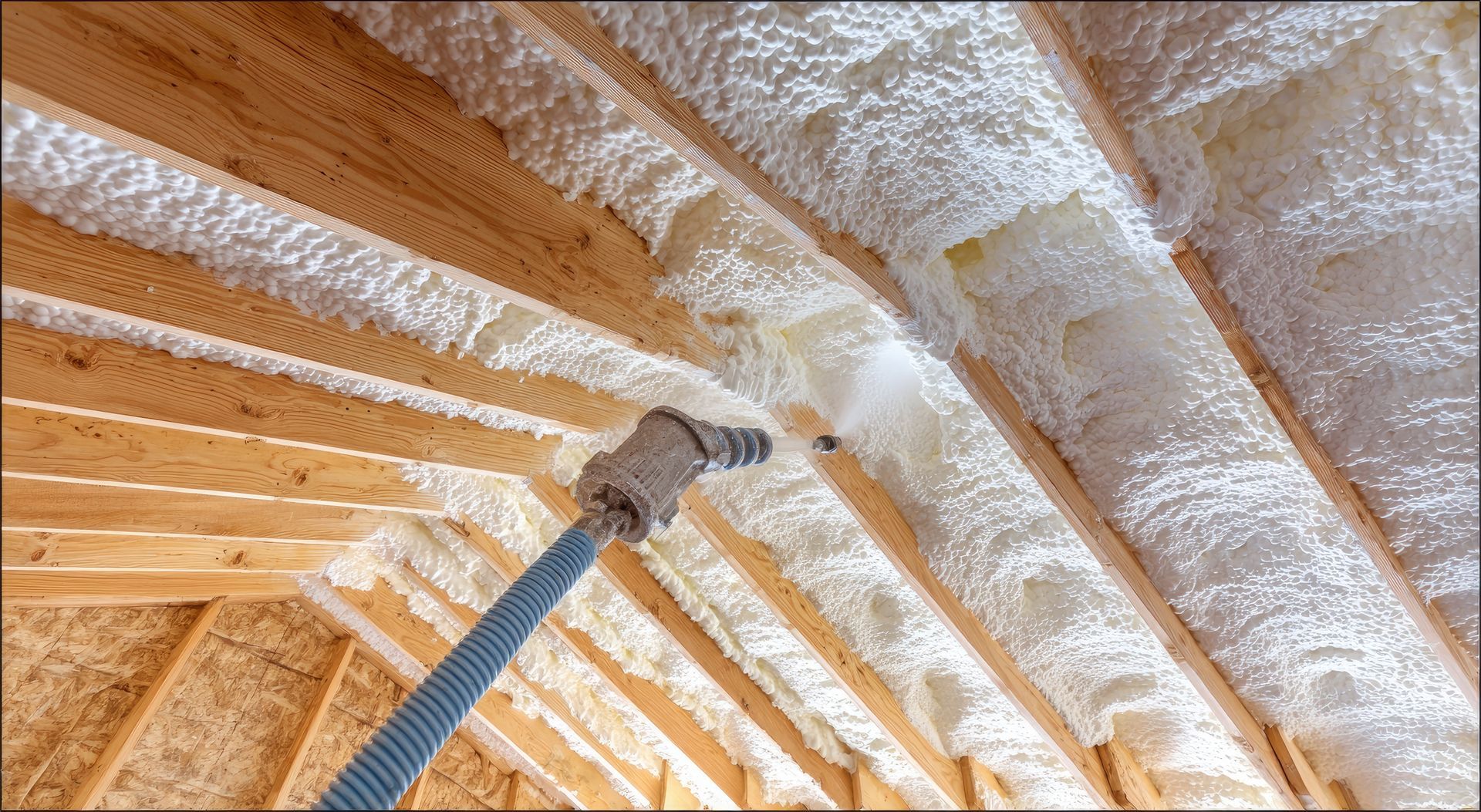
This service adds spray foam, fiberglass batts, or blown-in cellulose to garage walls and ceilings to reduce heat loss and stabilize interior temperature. The approach depends on whether your garage is heated, whether it shares a wall with your home, and whether you plan to finish the space with drywall. When your garage is properly insulated, the space becomes more comfortable for extended use, adjacent rooms stay warmer, and you reduce the energy cost of keeping the area above freezing.
If you want to improve your garage's usability and stop losing heat through shared walls, contact us to discuss your layout and what insulation approach fits your intended use.
What Garage Insulation Installation Involves
Your garage is measured to determine wall and ceiling square footage, identify shared walls with living spaces, and assess whether the space will be heated or left unheated after insulation is added. You will see crews install batts between wall studs and ceiling joists, apply spray foam to rim joists and headers, or blow cellulose into enclosed cavities depending on your garage's framing and finish plans. The installation typically takes one to two days for most two-car garages, and access is straightforward since the space is usually clear of furniture and finishes.
After the insulation is in place, you will notice that your garage holds heat longer when a heater is running, adjacent rooms feel less drafty, and the space becomes practical for tasks that require stable temperatures. Mogli Insulation ensures that insulation does not interfere with garage door tracks, electrical outlets, or overhead lighting, and the material is installed to allow for future drywall installation if you plan to finish the walls later.
Projects may also include insulating the garage door with foam board panels, sealing gaps around service doors and windows, and adding weatherstripping to reduce airflow. This service does not include finishing work, electrical upgrades, or heating system installation, though those improvements are often scheduled after insulation is complete.
Questions About Insulating Your Garage
Homeowners in Great Falls often ask which insulation type works best for garages, whether the garage door should be insulated, and how the upgrade affects energy use in the rest of the home.
What R-value should I use for garage walls and ceilings?
Garage walls typically receive R-13 to R-15 insulation, and ceilings get R-30 to R-38 if the garage is heated or shares space with a room above, which matches levels used in conditioned areas of the home.
How does insulating an attached garage help the rest of my house?
Insulating the shared wall and garage ceiling reduces heat transfer between the garage and adjacent rooms, so your furnace does not have to compensate for cold air bleeding through that connection.
When is the best time to insulate a garage?
Fall or winter are common because you can immediately test the space's performance once cold weather arrives, though the work can be scheduled anytime your garage is accessible and clear of stored items.
Why do some garages get spray foam while others get fiberglass batts?
Spray foam is used when walls are open and maximum air sealing is needed, while batts are more cost-effective for standard stud bays and are easier to install if you plan to add drywall later.
How do you insulate a garage door?
Foam board panels are cut to fit between the door's horizontal ribs and secured with adhesive, which adds R-value without affecting the door's balance or operation on its tracks.
If you are ready to make your garage more comfortable and reduce energy loss through shared walls, reach out to Mogli Insulation to schedule an assessment and receive a detailed plan for your specific garage layout.