Close the Gaps in Your Walls and Ceilings
Batt Insulation in Great Falls for new construction and remodeling projects needing code-compliant thermal barriers
Mogli Insulation installs batt insulation in residential and light commercial buildings throughout Great Falls when you are framing new walls, finishing basements, or replacing outdated insulation during remodels. You choose batts when you need a cost-effective material that fits standard stud and joist spacing, meets Montana building code R-value requirements, and installs quickly without specialized equipment. This approach works well in two-by-four and two-by-six framing, and it is the most common insulation type for builders working on tight schedules and fixed budgets.
Batts are pre-cut fiberglass or mineral wool blankets that slide between studs and joists, where they slow heat transfer through walls, ceilings, and floors. Proper installation requires cutting batts to fit around electrical boxes, plumbing penetrations, and cross-bracing without compressing the material or leaving gaps along the edges. In Great Falls, where winter heating loads are significant, choosing the correct R-value and ensuring full coverage makes a measurable difference in comfort and energy costs. Batts do not seal air leaks on their own, so they work best when combined with careful framing, caulking, and vapor barriers.
If you are framing a new addition or replacing old insulation and want straightforward installation with proven performance, contact Mogli Insulation to discuss batt options and scheduling for your project in Great Falls.
How Batt Insulation Is Installed and What It Delivers
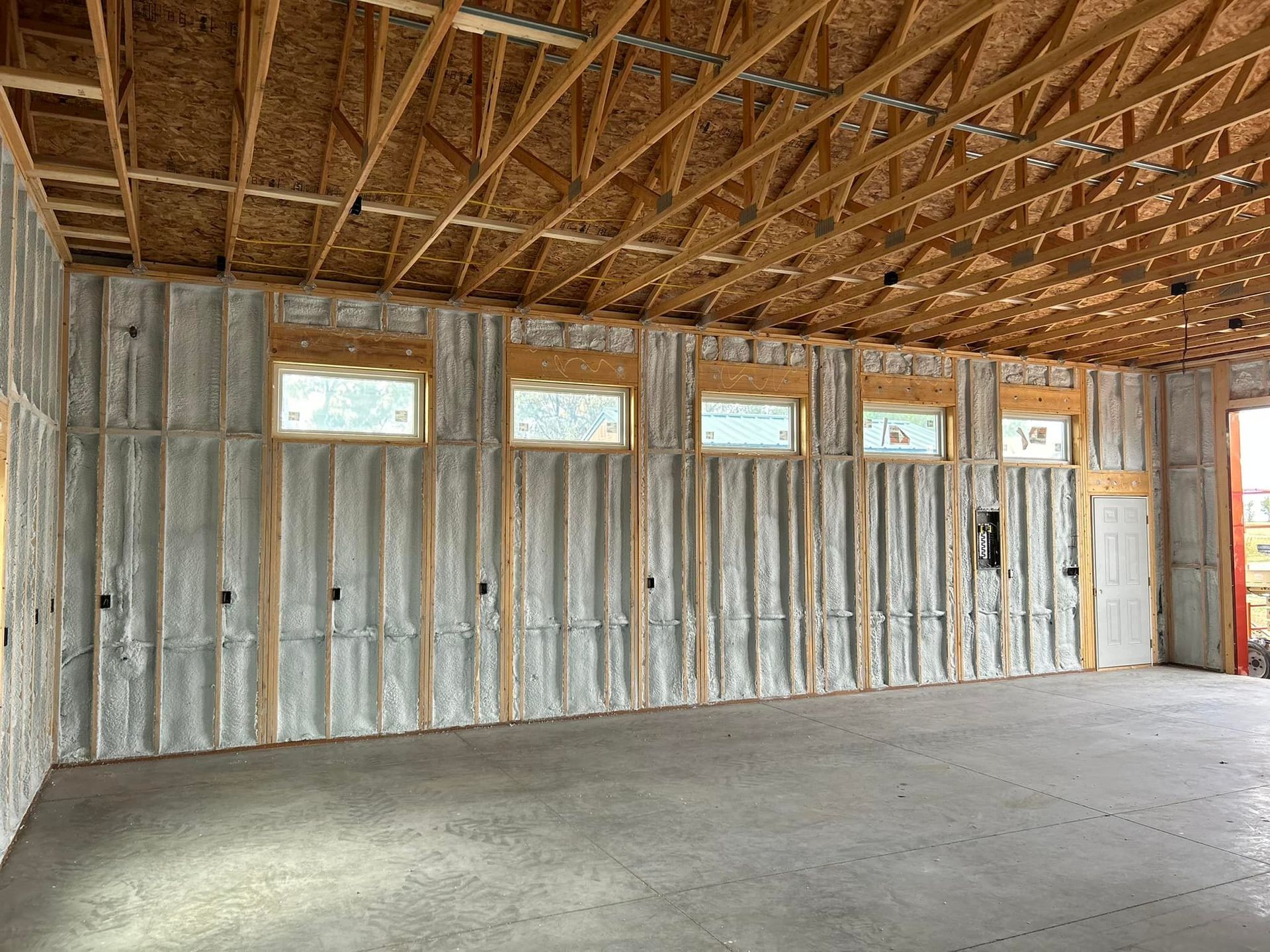
Your installation begins with measuring stud and joist bays to determine batt width and length. The crew cuts batts to fit snugly without gaps, then places them between framing members so that the vapor barrier faces the heated side of the wall or ceiling. Batts are friction-fit or stapled in place, and any tears or compressions are avoided because they reduce thermal performance. Electrical boxes and plumbing runs require careful notching so that the insulation maintains contact with the drywall layer.
Once the batts are in place and drywall is installed, you will notice that rooms hold temperature more evenly and that exterior walls feel less cold to the touch during winter. Mogli Insulation verifies that batts fill the full depth of each cavity and that no voids are left around windows, doors, or rim joists. Properly installed batts reduce drafts when combined with air sealing at the sheathing and drywall layers, and they help prevent condensation by controlling moisture movement through wall assemblies.
Batt insulation does not fill irregular cavities or seal around wiring and piping as completely as spray foam, so it relies on careful workmanship to achieve rated R-values. It is not recommended for retrofit applications where wall cavities are already closed, and it does not provide the airtight seal needed in very drafty older homes without additional weatherization measures. Batts work best in new construction and gut remodels where framing is fully exposed and accessible.
Questions Homeowners Ask About Batt Insulation Installation
Builders and homeowners in Great Falls often want to know about R-value selection, vapor barrier placement, and how batts compare to other insulation methods for different parts of the home.
What R-value should you choose for walls and ceilings in Great Falls?
Montana building code typically requires R-21 or higher in exterior walls and R-38 or higher in attics, but your specific project may call for different values depending on framing depth and energy efficiency goals.
How do you prevent compression when installing batts in tight spaces?
You select batts that match your framing depth and avoid overstuffing cavities, because compressing the material reduces its insulating ability by eliminating air pockets that slow heat transfer.
Why does the vapor barrier need to face the warm side of the wall?
The vapor barrier slows moisture movement from heated interior air into the wall cavity, preventing condensation that can wet the insulation and framing during cold weather in Great Falls.
When should you add a second layer of batts in an attic?
You add a second layer when the first does not reach the required R-value, installing the second layer perpendicular to the first to cover joists and reduce thermal bridging through the framing.
What tools are needed to install batt insulation in a standard residential project?
You need a utility knife with sharp blades, a straightedge for cutting, a stapler for securing faced batts, and safety gear including gloves, long sleeves, and a dust mask to handle fiberglass safely.
Mogli Insulation provides material selection guidance and professional installation for new builds and remodels across Great Falls and surrounding areas. If you are ready to insulate walls, ceilings, or floors and want to ensure your project meets code and performs as intended, reach out to discuss your timeline and get a written estimate based on your square footage and framing details.